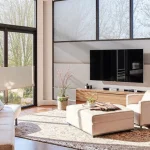
Flooded with sunlight and relief, shadows scurry, familiar as old friends now scarce. Afternoon gold transforms dull monotony fast, light from above shifting every mood and expectation right away. Does anyone forget that first spark from a ceiling built to welcome the day, not just daylight—clarity cut through the stagnant air, open roof lanterns bringing transformation underfoot and overhead?
Some rooms sulk in artificial gloom for years, no one notices until daylight tumbles in from higher ground, shifting perspectives with almost cinematic flair. Odd how new glass overhead, installed simply enough, changes not just sight but state of mind—documented by studies from the Royal Institute of British Architects and research cross-verified by the Energy Saving Trust. Homes in London, dotted through Oxford, rooftops from Brooklyn to Seattle, everyone feels it, not hearsay, fact. Fresh energy flows, moods shift, even health follows. Once tried, the old selves barely remembered. Modern solutions like Roof Lanterns with Built-In Ventilation enhance these benefits through engineered airflow and light control.
Also to see : How Can UK Schools Utilize Virtual Reality for Geography Education?
Light, pure and present, is never just for photographers. Silence falls—a different rhythm enters the room. Taste the brightness: one guest once joked, “I bring sunglasses to Sunday brunch now, your extension feels like the Riviera”. That’s no exaggeration—boosted mood, longer lingering at the table, laughter growing bolder, windows on the sky anchoring everyone to this new reality.
The wonders of opening roof lanterns, what’s behind the transformation?
Anyone walks into a kitchen or living room after installation, takes a hesitant step, feels the floor and color of paint sing a new note altogether. Focus sharpens, corners soften—eye strain subsides, those who work from home remark on new productivity levels. It’s not a magic trick, pure engineering, a bit of creativity, a full measure of science. Glass structure lets the sun glide in, not leak warmth, thanks to layers tailored for insulation. Triple glazing, argon fills, weather seals—these details mean warmth in December does not escape.
In the same genre : Transform your space with stylish window films for privacy
Heating bills shrink, environmental impact softens, certified by the Energy Saving Trust over and over. Trust in design, not guesswork, puts comfort at the forefront. In Oxford, renovations now rarely leave opening roof lanterns off the architectural plan. Night or day, sunlight or moonbeam, extended living gains new depth. High ceilings echo back, air circulates smarter and rooms breathe easier.
Style refreshes itself, not only an aesthetic gesture; loose symmetry of rafters, minimalist lines, all tailored without compromise. Not every home chases modern, some crave tradition. Lanterns adapt, subtle or daring, shadowplay changing with every passing hour, no mood duplicated.
The real benefits, brightness without the pitfalls?
Energy efficiency steals nearly every headline: reduced reliance on artificial lighting, daylight harnessed so cleverly that winter afternoons stretch long after dusk usually claims dominion. Comfort layers itself into the daily grind, morning routines speed up, sleep arrives on time, circadian rhythms less disrupted, less caffeine required. Moods trend upwards, productivity numbers—noted quietly in home offices—tick higher. No wonder, then, that experts recommend opening roof lanterns for mental health as much as for energy savings.
Expenses up front, yes; rebates follow if government incentives stay in play. Value does linger, outlasting every initial hesitation about cost or upheaval. Property values rise, aspirations follow—few investments in remodels yield such transformative utility, day in and out. Children’s playrooms, artist studios, reading nooks, all thrive beneath panes that frame the sky, bounding the imagination, never the light itself.
The sustainability promise embedded in roof lantern skyframes
Insulation, double or triple, refuses heat loss in colder months, no awkward drafts, no unsteady footing near a cold window. Technologies grow: self-cleaning glass, smart sensors adjusting light levels, automation for effortless ventilation. Natural ventilation, the unsung hero, circulates air, trims indoor pollutants, no whir of fans, no chemical sprays masking stagnant air—true air refresh. Room health measured in invisible metrics, carbon footprint shrinks silently.
Durability, tested across Atlantic storms and dry spells alike, anchors roof lanterns as a long-term change, not a fleeting house trend. Recycling rates for modern glazing reach impressive numbers, cutting waste, supporting broader ecological goals in line with 2026 standards and values.
The shift in living when daylight rules from above
Rainy afternoons lose sting. Family meals linger. No more rush to switch on one lamp after another—clarity remains, dusk gives way to richness. Natural daylight shakes the dust from interiors, spirits lift, stress levels documented to decrease, especially during those exhausting winter blocks where gloom crowds the calendar.
One developer wrote that after twelve years, not one homeowner asked to have a lantern removed; renovations always asked for another addition, not less glass. Sunbeams create instant desirability, uncoachable and unreplicable by bulbs alone.
- Vast boost in perceived and actual living space—no need for extensions outward, light extends rooms upward
- Noticeable cut in energy spend, thanks to top-tier insulation and reduction of artificial lighting needs
- Measured improvement in household health, quality sleep, alert mornings, reduced winter sadness
- Timeless improvement in style, adapting easily to both new and period properties
The growing appetite for opening roof lanterns, why now?
Never just a trend—rising costs and environmental tensions drive new solutions. Consumers push for sustainable, lasting home improvements, wanting beauty but refusing wasteful excess. Skylights, flat glass, panoramic openings all compete, yet opening roof lanterns set themselves apart with ventilation, solar angles precisely calculated, integration with energy-smart homes now standard across cities like London, Oxford, Seattle, New York.
The most popular designs and materials for ceiling lanterns?
Aluminum frames dominate modern builds, light yet strong, tolerating storm and sun without warping. Timber, beloved for classic projects, stands firm when coated with today’s protective finishes. Glass specifications multiply: low-E coatings, gas-filled cavities, coatings against condensation. Installers step up—certifications now a must, professional guarantees supporting peace of mind. Careful measurements, no gaps, painstaking fitting—no shortcuts known to serious builders, comfort assured for decades.
The realistic limits, where lanterns do not always fit
Not every roof embraces a cut. Historic districts challenge innovation—planning restrictions squeeze creativity in listed properties, forces compromise. Builders warn about flat-roof drainage, need for pitch or subtle slopes—water pooling destroys good intent in a season. Cost, disruption, patience watched closely. Not every weather pattern matches, hurricane zones require further reinforcement, some just accept smaller panes. Safety always first—toughened and laminated glass sets assurance at the highest level. Dust finds a way—regular upkeep pays for itself in retained brilliance, nobody disputes the view to the clouds, though.
The final effect—atmosphere and state of mind liberated
Every detail matters, maybe glossed over in blueprints, but once installed, sunlight asserts. A gentle warmth, not a glare—privacy stays intact, peace amplified. People gather beneath lantern-lit ceilings, day or evening; conversation drifts upward, laughter echoes. Old rooms suddenly draw guests. The heart of a home shifts—no ceiling remains just structure once sunlight owns it.